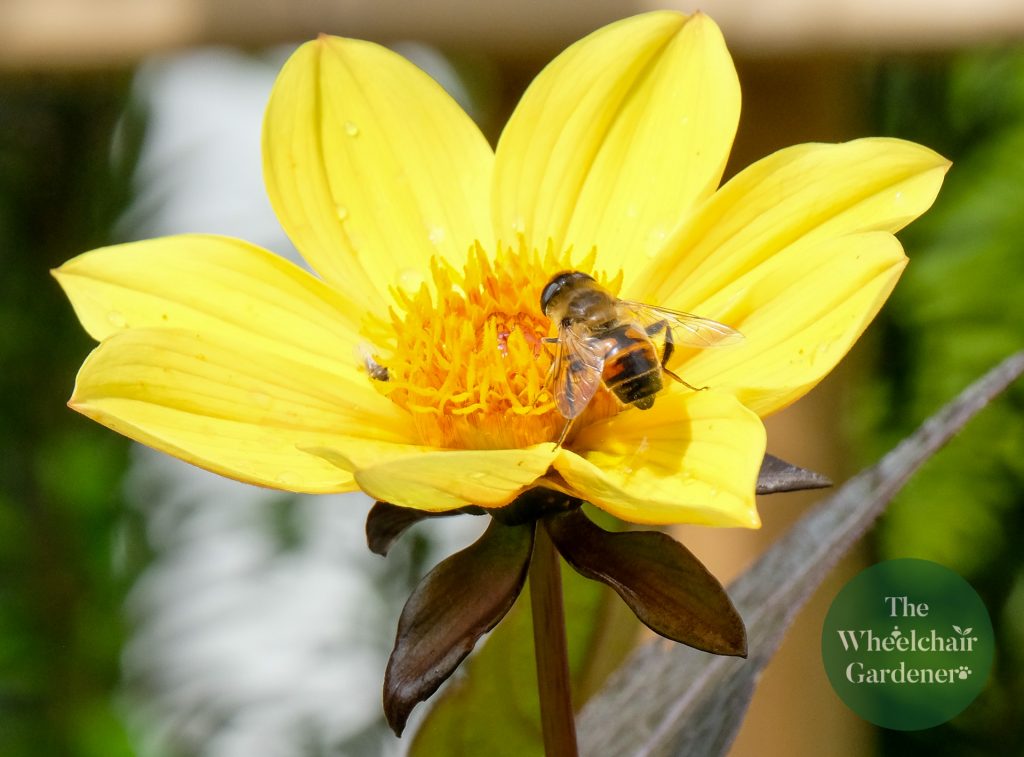
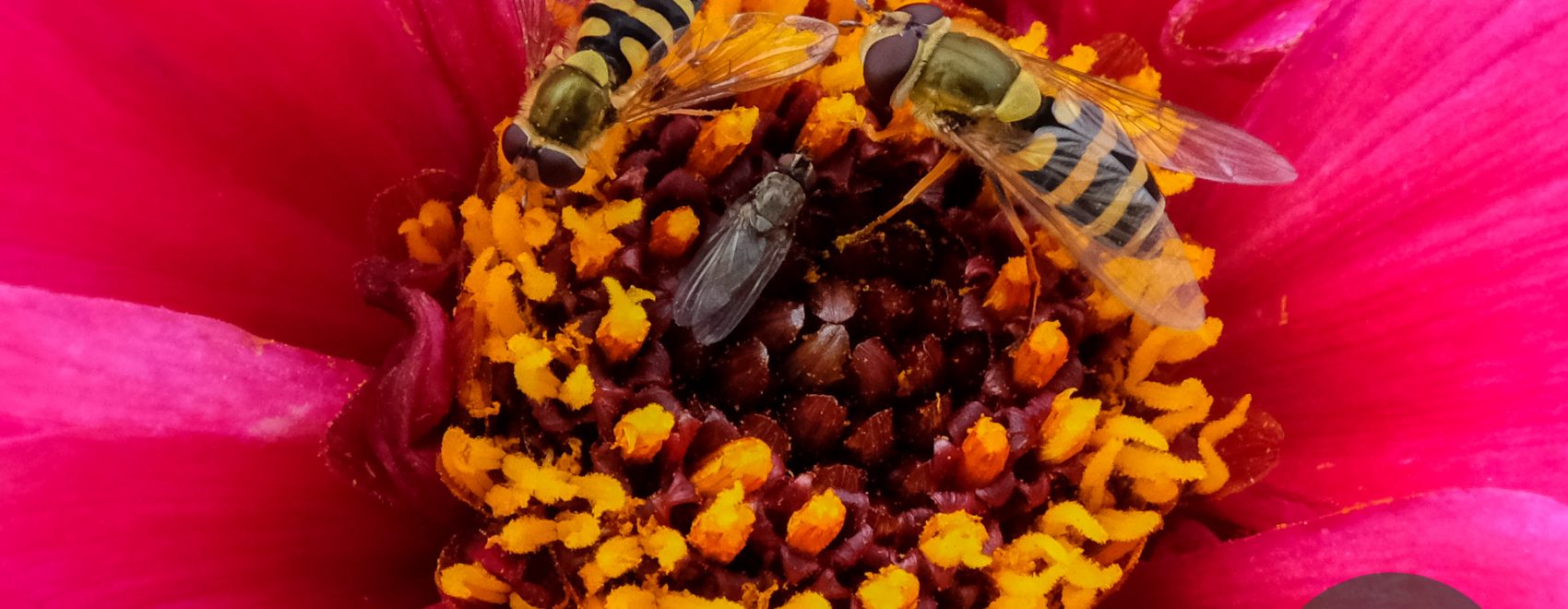
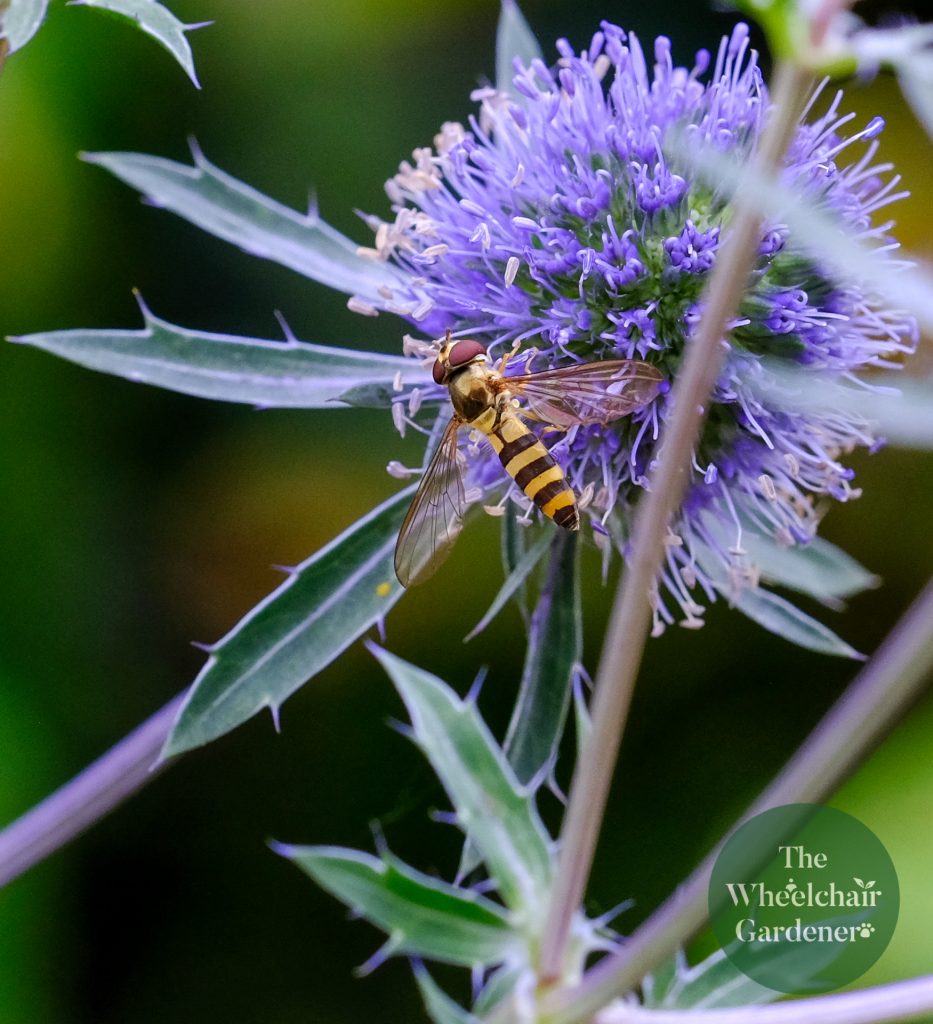
As autumn begins to creep in slowly the continued warm weather sees flower and insect life still lingering waiting for the first frost. The warm temperatures seem to be confusing plants and insects alike, they are not too sure what season we are meant to be in The most visible are the bees and hoverflies with the odd butterfly. A few Red Admirals were feeding on the red Sedum when the sun appeared for a spell yesterday.
I was given a moth trap to use for a while and few moths decided to take the up the offer and spend the night in a plastic bucket with cardboard egg boxes to hide amongst. Overall the results were disappointing but the neighbours liked the light display on the verandah.
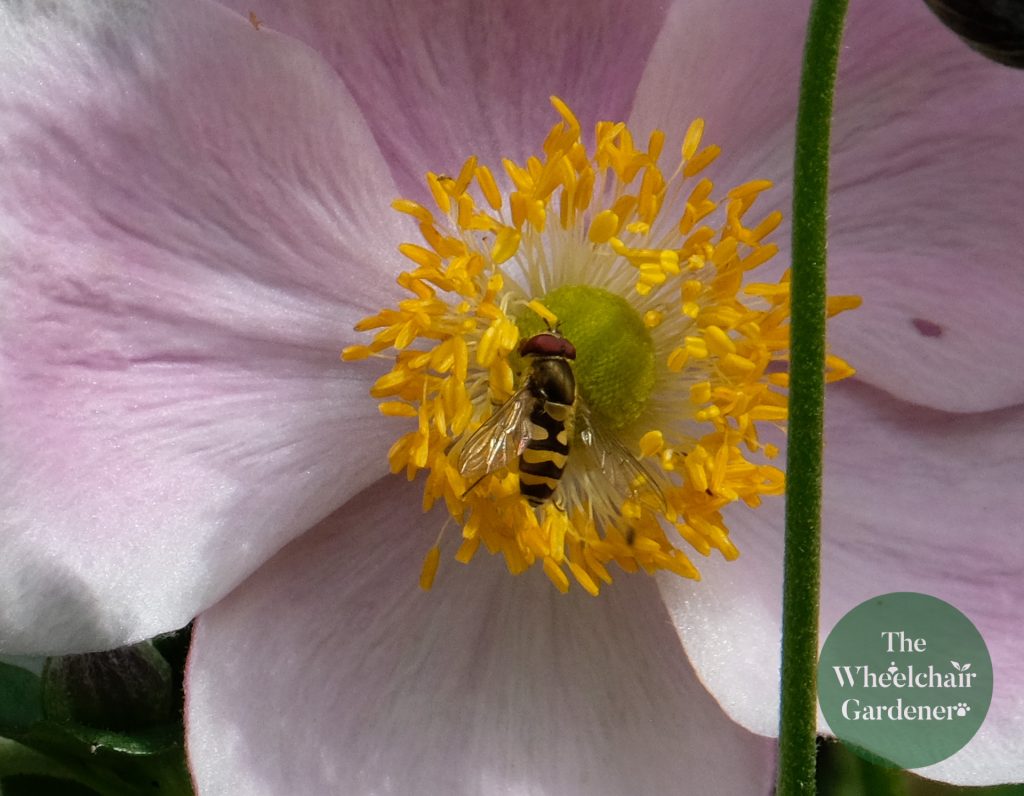
Since I managed to get a few half decent pictures of hoverflies over the summer and early autumn it seemed a shame not to try and identify them and show them off and give them another piece of exposure. The life cycles of the species vary widely, in most species the eggs hatch after just a few days depending on temperatures. Once they have hatched they become maggot-like with no head capsule or legs. They have one single posterior breathing tube whilst most fly larvae have two.
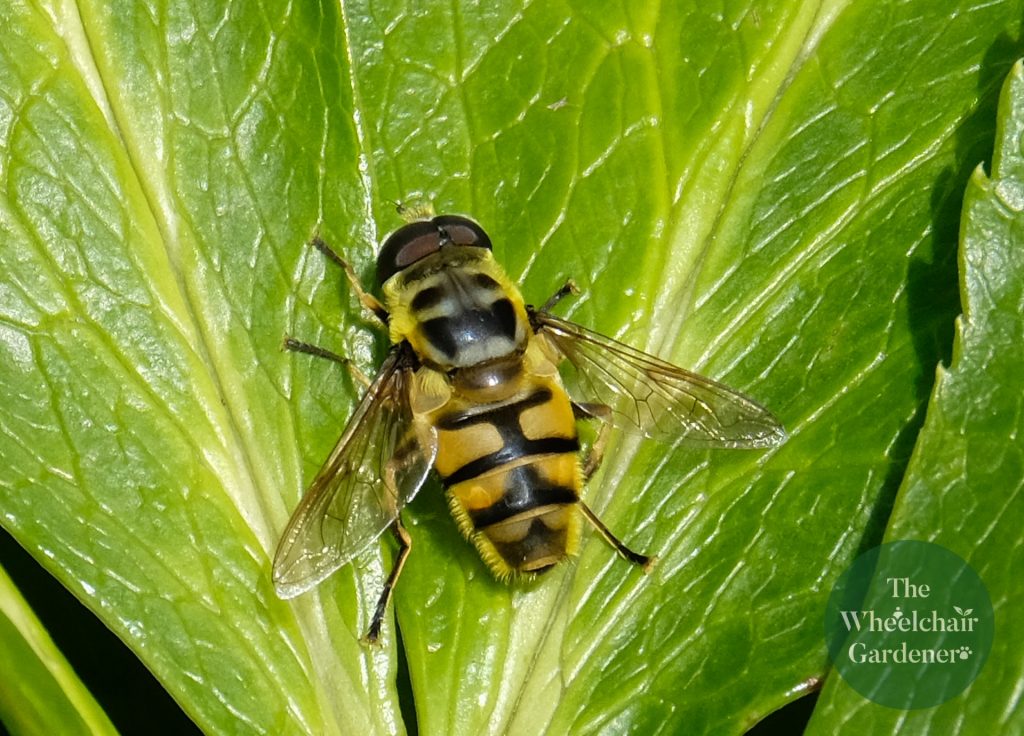
Myathropa florea
The larvae pass through three stages or instars, the first two tend to be pretty quick lasting a few days but the third stage can vary from weeks to months to years. This is the stage where most eating happens and the food varies dramatically between the species, from predators on insects like aphids to plant based, but the commonest food source is dead or deacaying organic matter. Sap, rotting wood, rot holes in trees, underneath bark, in leaf litter are damp places where they remain hidden biding their time to emerge for the brief chance to emerge, fly and breed. The over wintering wait for days to grow longer and warmer, but like most of the rest of life too much dramatic change in the climate is a game of roulette. There may be some winners but the odds are stacked in favour of many more losers. Along with the hoverfly larvae I will be hoping that some sense may prevail at COP26 but won’t be betting on it.