
“There is something infinitely healing in the repeated refrains of nature—the assurance that dawn comes after night, and spring after winter.” — Rachel Carson
Having spent nearly three decades living a few degrees south of the equator my circadian rhythms had adjusted to the almost equal hours of daylight and night. Very rarely did I wake up after the sun had risen to cast its first light and living off grid it made sense to make the most of the daylight hours, whilst my body grew accustomed to sleep a few hours after darkness came. The equality of daylight and darkness provided a sense of balance and continuity.
Growing up in England I used to struggle a little bit with long dark days and often wonder how I would cope if I had to live a lot closer to one of the poles. The benefits of living in temperate climate with its distinct seasons was however one of the things I missed most living in the subtropics. The most dramatic changes there occurred were not through distinct changes in daylight hours and temperature but in the changes from a dry climate to a wet one.
During my year long stay in a hospital bed I would sometimes annoy other patients by asking the nurses to draw open the curtains when daylight had come as it was something I was so accustomed to. During the winter months this was not such a problem but as days grew longer and the mornings started progressively earlier complaints appeared to increase.
This year the winter has been relatively mild and not particularly cold with small amounts of snow and rainfall slightly above average with occasional freezing temperatures and one extreme where I measured -11°C in the potting shed. The winter also seems to have passed by quite quickly and the plant life in the garden began in January when the first snowdrops pushed out of the green grass in a display I can see clearly for much of the day through the window from which I look out.

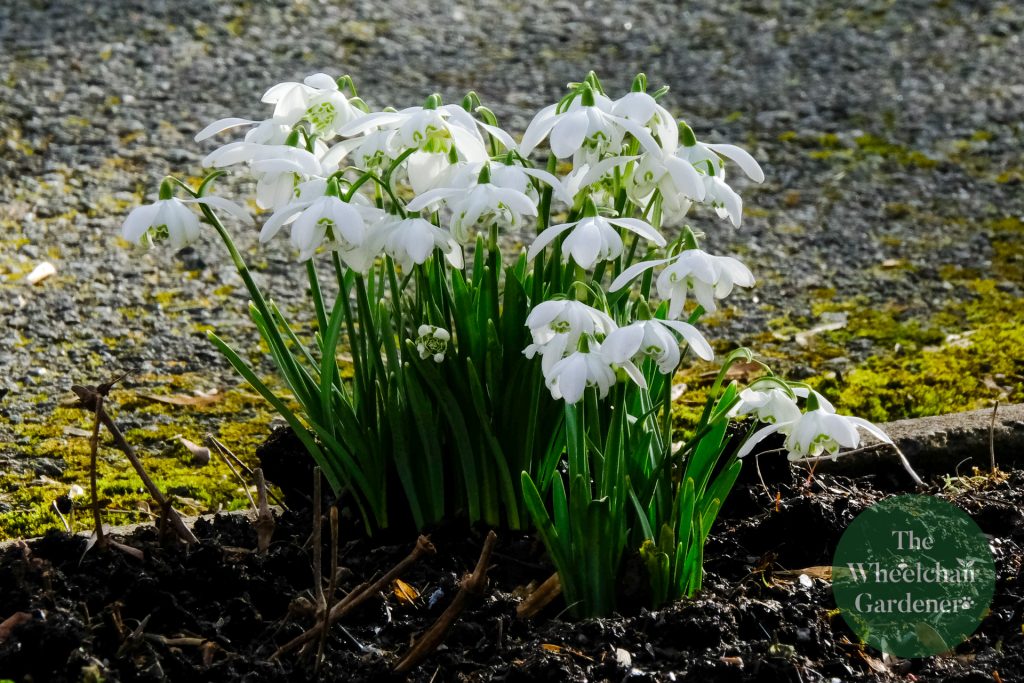
The snowdrops have naturalised well and have spread from last years display across the grassy central patch. The crocuses have grown onto the stage to join with the snowdrops and this year they seem to have ended when the first Tenby daffodils appeared appropriately it would seem on St David’s Day or the Feast of St David. Religion and meteorology joining together to recognise spring.
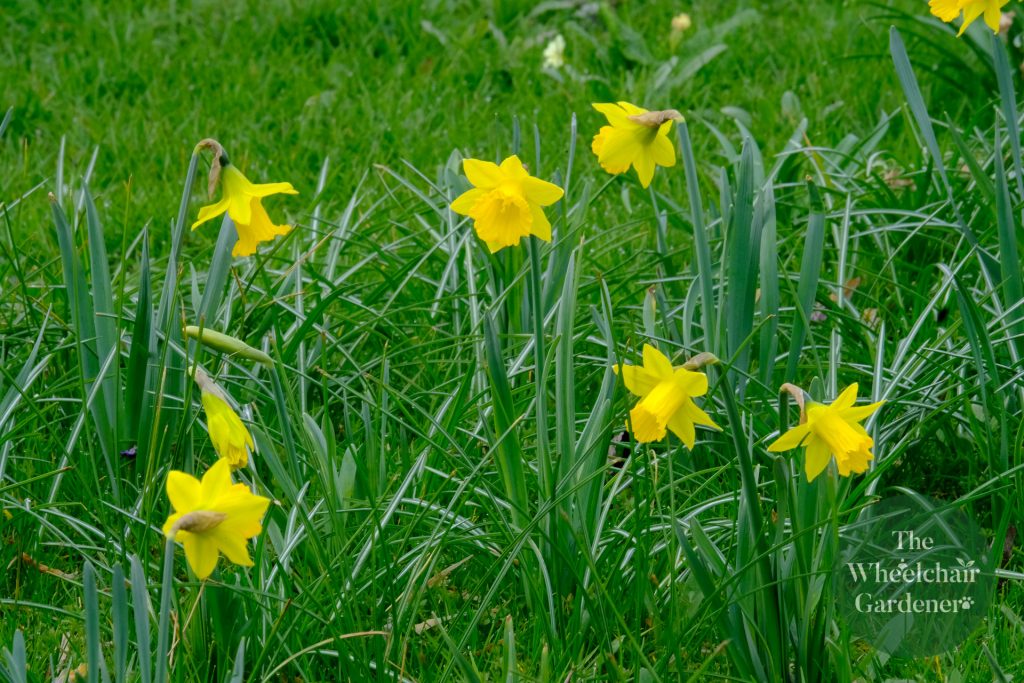
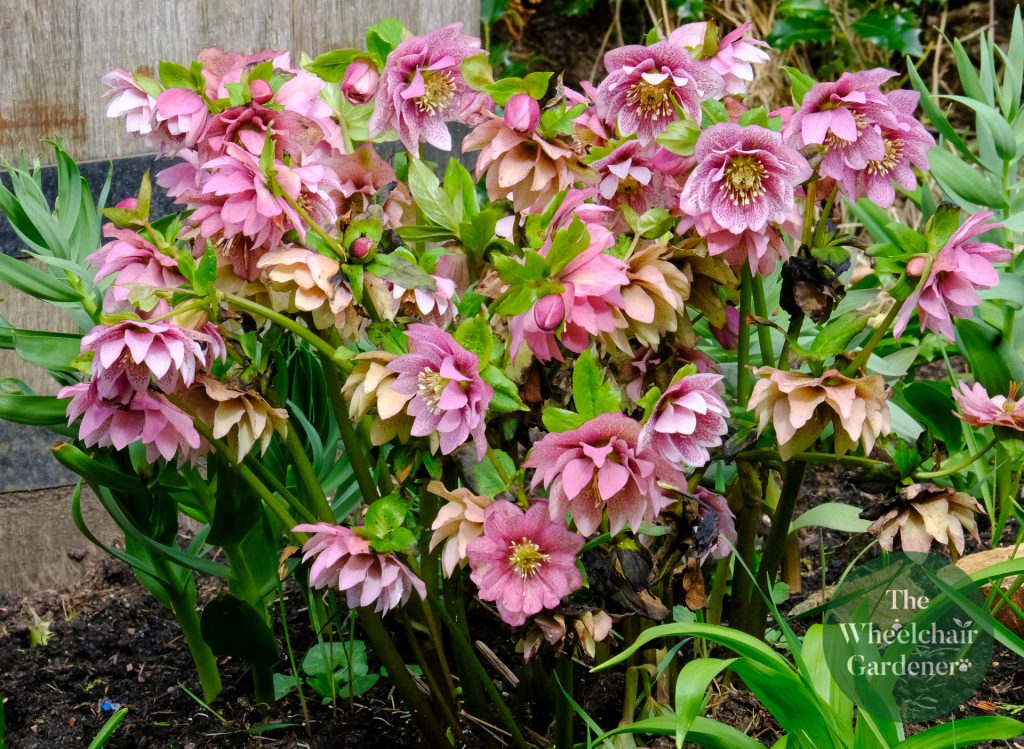
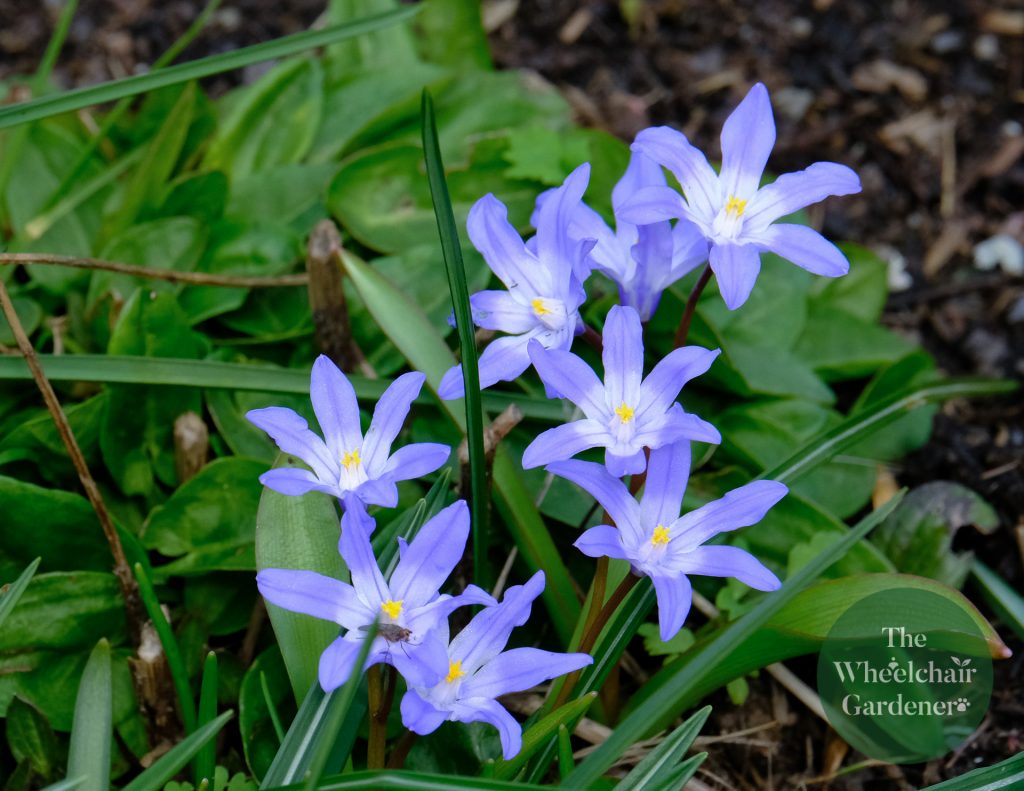
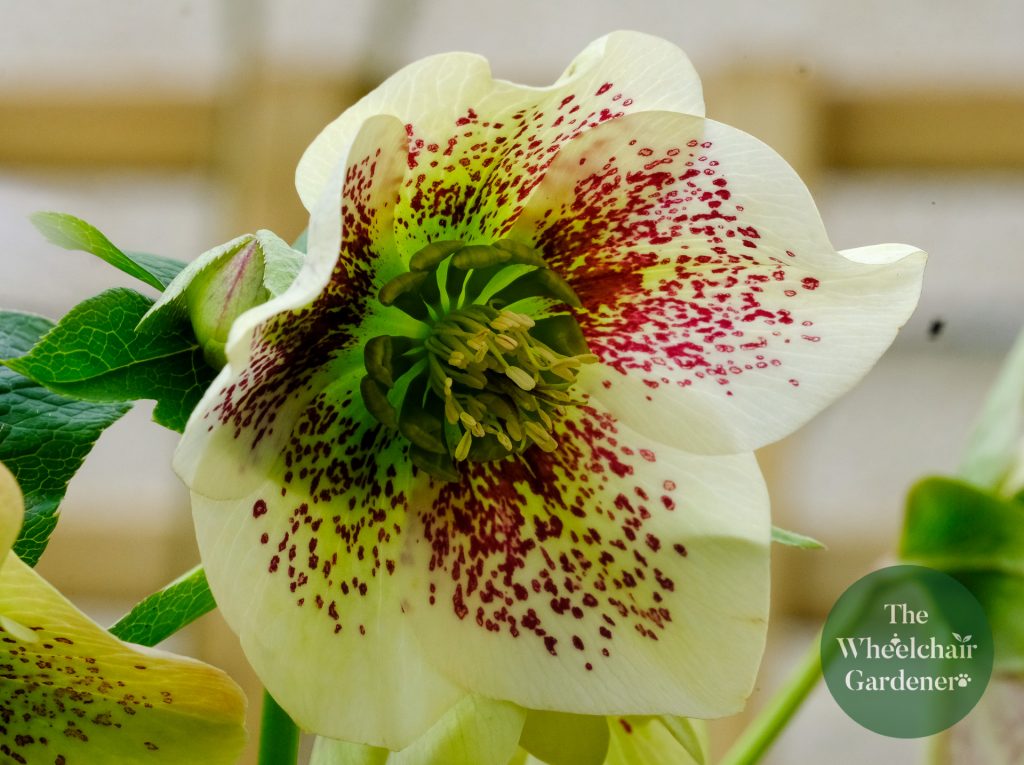
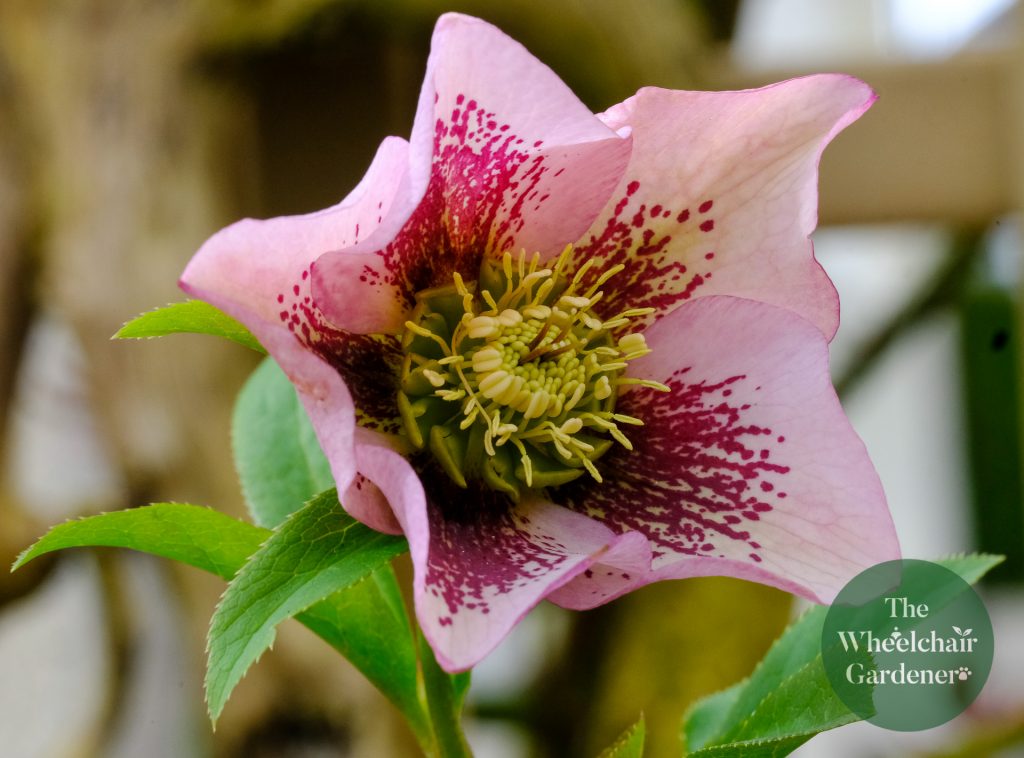
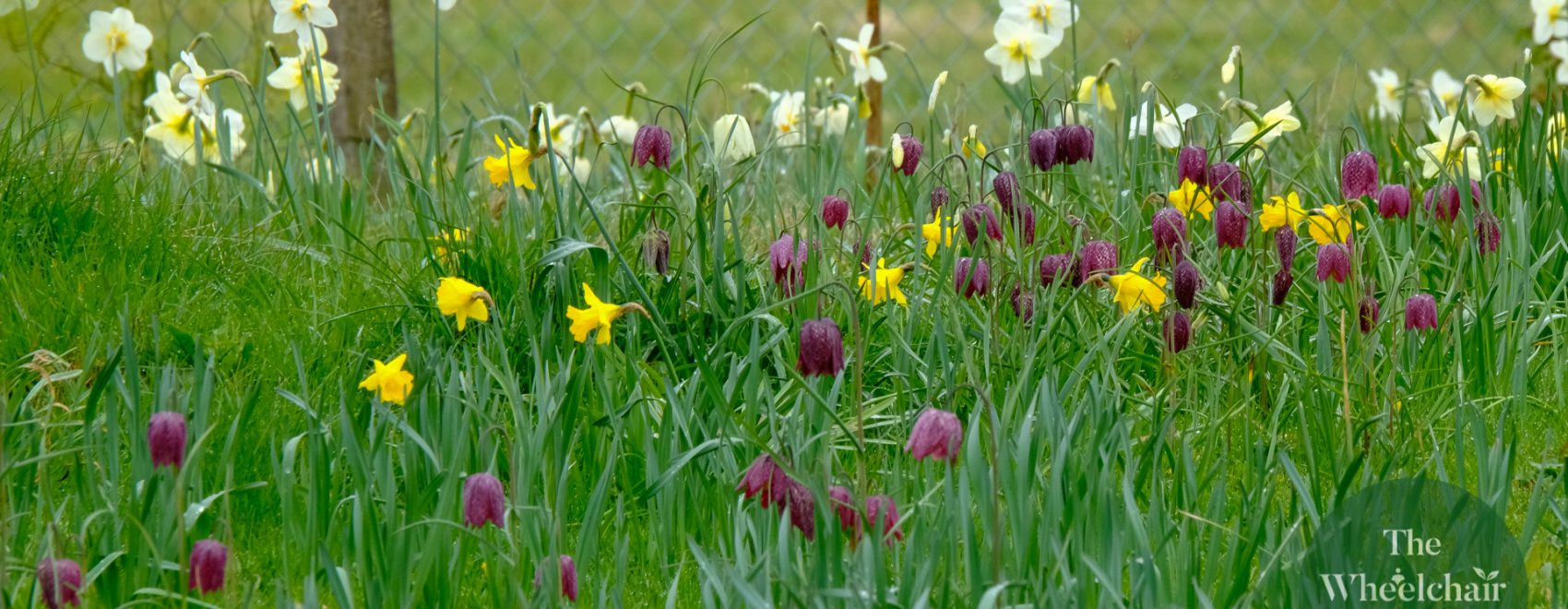
The floral procession has picked up pace through March and now increasing numbers and variety are appearing on the spring stage. The hellebores grow increasingly impressive, wood anemones are quietly becoming more established in little pockets through the garden, wild garlic leaves are appearing a few inches above the short grass, some of the earliest appearing bees seem to like the pink and purple lungwort and two or three snakes-head fritillary have popped into flower.
I have managed to sit outside on my front south-facing decking a few times already when the sun has been out and it has been comfortable and warm enough to soak in the whole scene. This is the reward that the plants give back for the time and effort that was put in to help them establish. For every one of the past few years the rewards from the spring display have increased and give cause to celebrate and provide much needed optimism for whatever the future may hold in store.