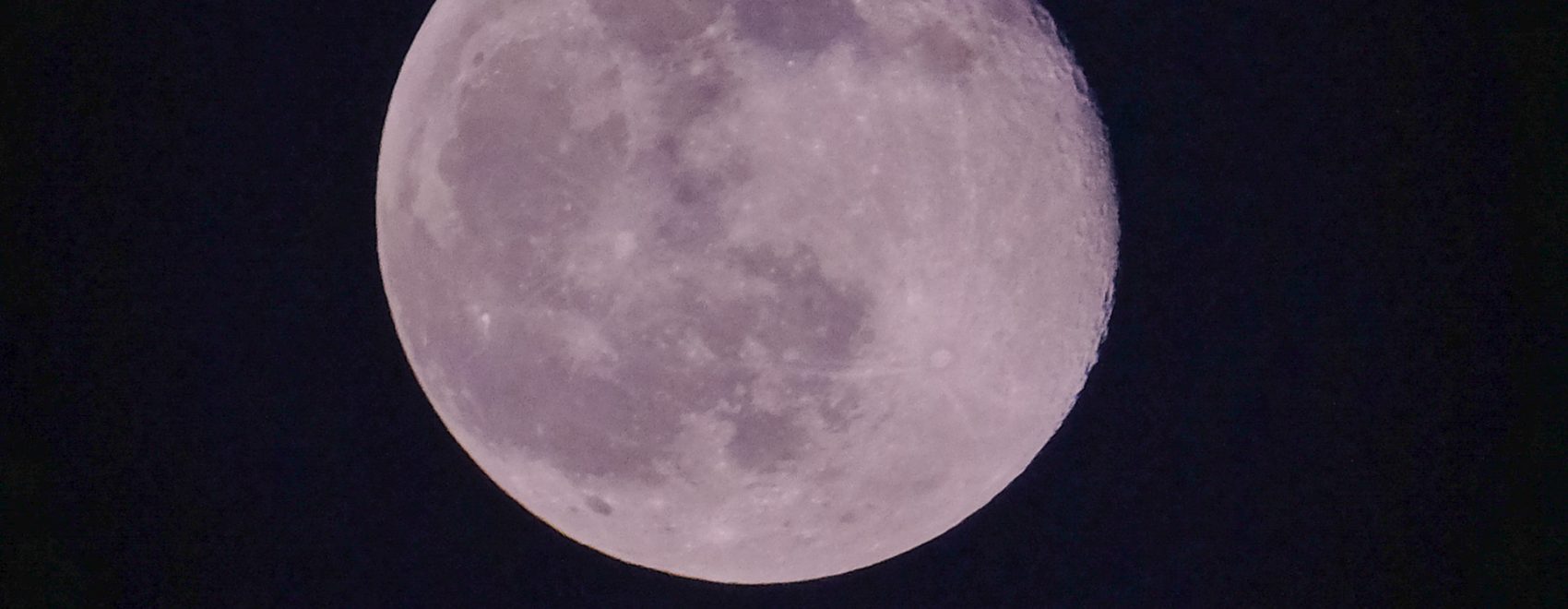
Science encourage us to reflect upon the size of our lives in relation to the vastness of the universe or the bewildering multitude of microbes that exist inside bodies. And it reveals to us a planet very beautifully and insistently not human…… Science shows us that we are living in an exquisitely complicated world that is not all about us. It does not belong to us alone. It never has done.
Helen Macdonald. Vesper Flights
2020 has not been the finest of years for many reasons for a vast number of people in the UK as well as elsewhere in the world. A microscopic virus has dominated our lives and behaviour for much of the year. A virus is an infectious agent with a simple composition that can only multiply in the living cells of animals, plants or bacteria and its name is derived from the Latin word meaning ‘slimy liquid’ or ‘poison’, so it might be fair to say that 2020 has been a poisonous one.
Alongside the coronavirus has been the background rumbling of Brexit and the matters which should have dominated our attention and efforts, namely the climate crisis, the collapse of biodiversity and living systems. It may seem as if these events are unrelated but they are not and they may have become aligned together to form what could be a perfect storm.
A hundred or so years ago it would probably have been fairly easy to predict what the next one year or five or 10 might look like with a reasonable degree of certainty. Today that is not the case and it is hard to have a reasonable sense of what things maybe like in just a few months time. Covid-19 will not be the last pandemic nor the worst, we have already seen it mutate to more virulent forms in a short space of time and the more it is allowed to spread the more it will mutate. It would seem that there is a window now to act quickly to contain Covid-19 but if this is ignored it could be gone and there will be a continuous cycle as more transmissible viral strains become harder to control and then become dominant across the world.
The idea that the so-called developed largely northern hemisphere countries are more advanced than Eastern and African countries is not true when the response to the pandemic is considered. Vietnam immediately understood that a few cases without an emergency level response would see thousands of cases in a short period, and their prompt response has seen around 1,500 cases recorded to date.
Rwanda one of the poorest countries in the world and ranked 117th in its preparedness through the Global Health Security Index which used 85 indicators in its assessment. It began a strict lockdown straight after its first case in March, made masks mandatory in April, offered frequent and free testing and provided food and places for people to quarantine. To date it has recorded just over 8000 cases and 75 deaths In a country with a fairly dense population. The US was rated first from 195 nations which makes the index seem ridiculous.
Do the richer Western health experts focus too much on capacity, equipment and resources and not enough on capabilities which is the ability to apply the capacity in times of crisis? Has there been too much emphasis on treating sick people with high-tech and expensive health care in hospitals and not enough in proactive prevention in communities investing in public health, equity and housing which is primary care? The US spends only 5% of its health budget on primary care whilst Rwanda spends 38%.
In the same way that is wrong to believe that states can make individual choices which do not affect other parts of the world when handling the pandemic, the whole mantra of Brexit with, ‘Take back control ‘, ” Regain our Sovereignty’ is a nationalist, populist slogan rooted in a mechanistic, militaristic anthropocentric worldview and an outlook that ignores the reality of an interdependent world. This populist thinking depends on enemies, real or imagined, to legitimise their actions and heading into 2021 it is hard to see where any concerted efforts will be made to make any significant progress in dealing with the climate crisis, let alone the fallout and repercussions from Brexit and the ongoing Corona virus.
It is also hard to envisage how things will go back to ‘normal’ during the coming year and it will be a question of how to adapt and how to change. Large changes will be necessary and major systems changes required to shift from the economics of limitless growth.
I know that purely speaking for myself I am glad that I am not in my youth and I am approaching my three score years and ten and that I have lived a full and varied life. but I am sure that the future holds many challenges and uncertainties that did not exist even one year ago. I am apprehensive and find it difficult to be optimistic; I would like to think realistic. In the same way that both fast and slow processes contribute to earth changes, both steady progress and immediate local action will contribute to solving problems.
So looking out on this tiny little patch of currently frozen ground, here’s hoping the garden will continue to grow and thrive whilst Yazoo will add companionship and entertainment to keep optimism alive in the year ahead. Fingers crossed, it could be a rough old ride.