‘The Earth’s mightiest forces have forsaken geological time and now change on a human scale. Changes that previously took hundred thousand years now happen in a hundred. Such speed is mythological: it affects all life on earth, the root of everything we think, choose, reduce and believe. It affects everyone we know.’
Andri Snaer Magnason, ‘On Time And Water’.
Here in mid-Wales as in many other parts of the northern hemisphere the hellebore ( Helleborus niger) is generally regarded as the Christmas Rose, arising from an old legend that it sprouted in the snow from the tears of a young shepherd who had no gift to give the Christ child in Bethlehem.
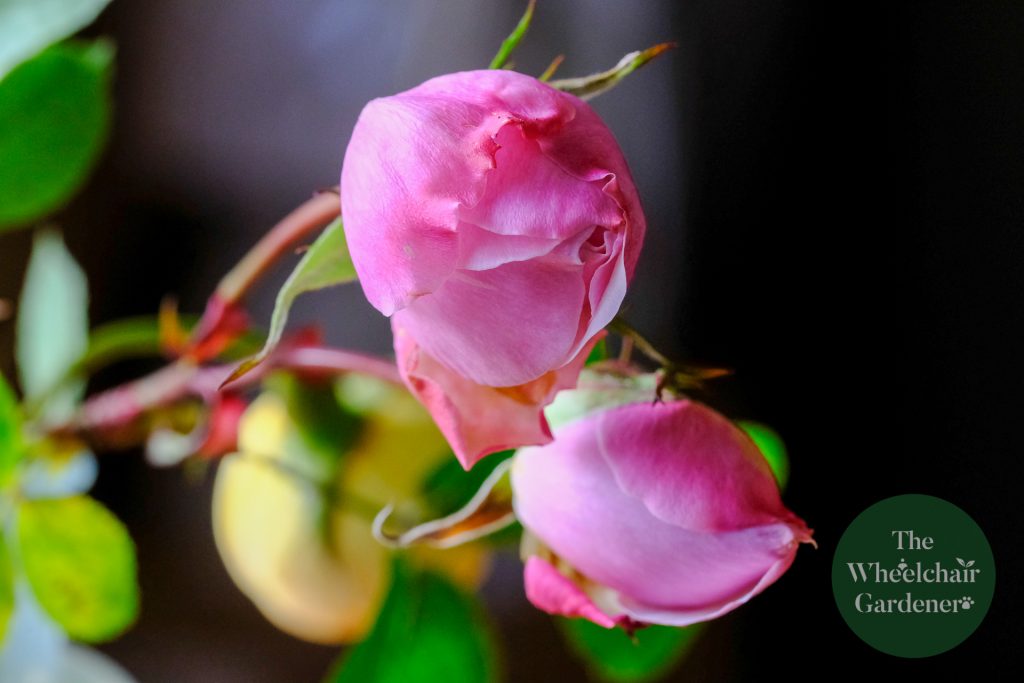
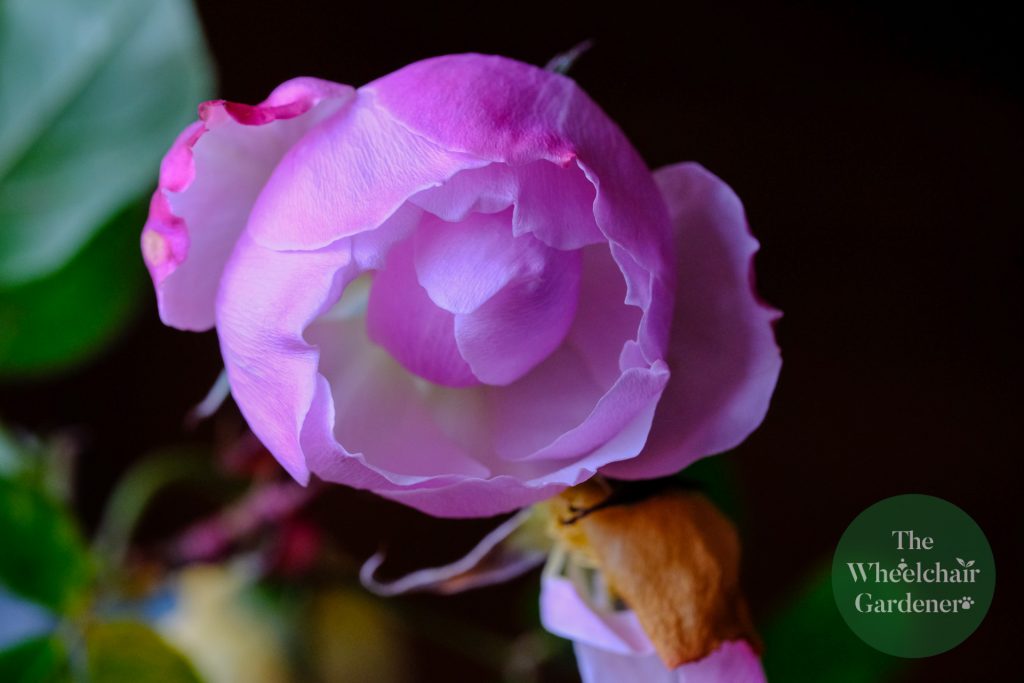
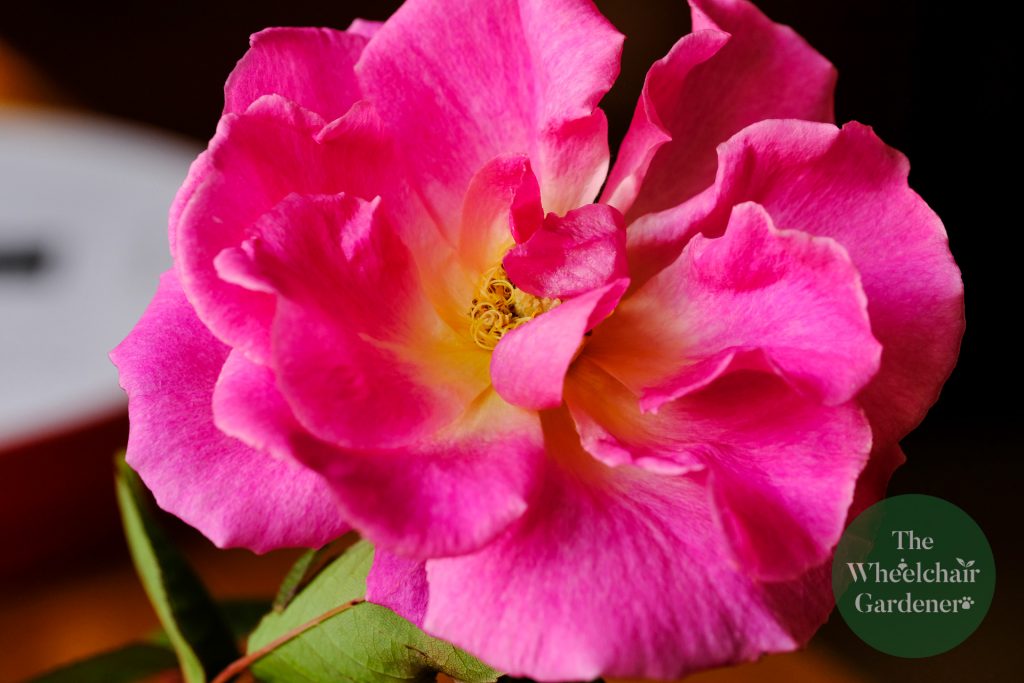
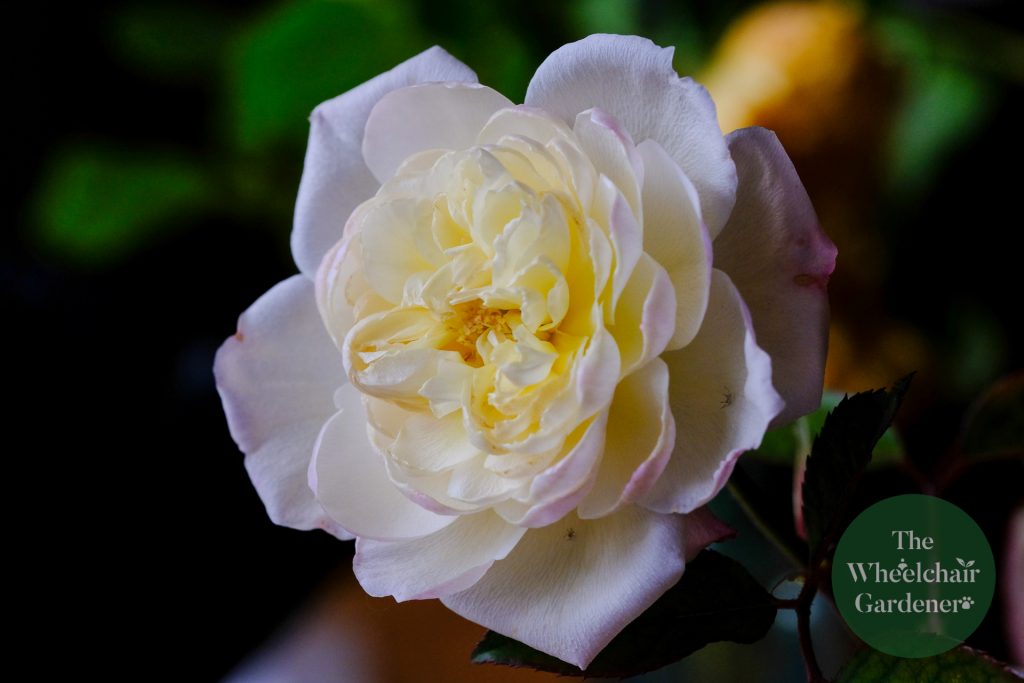
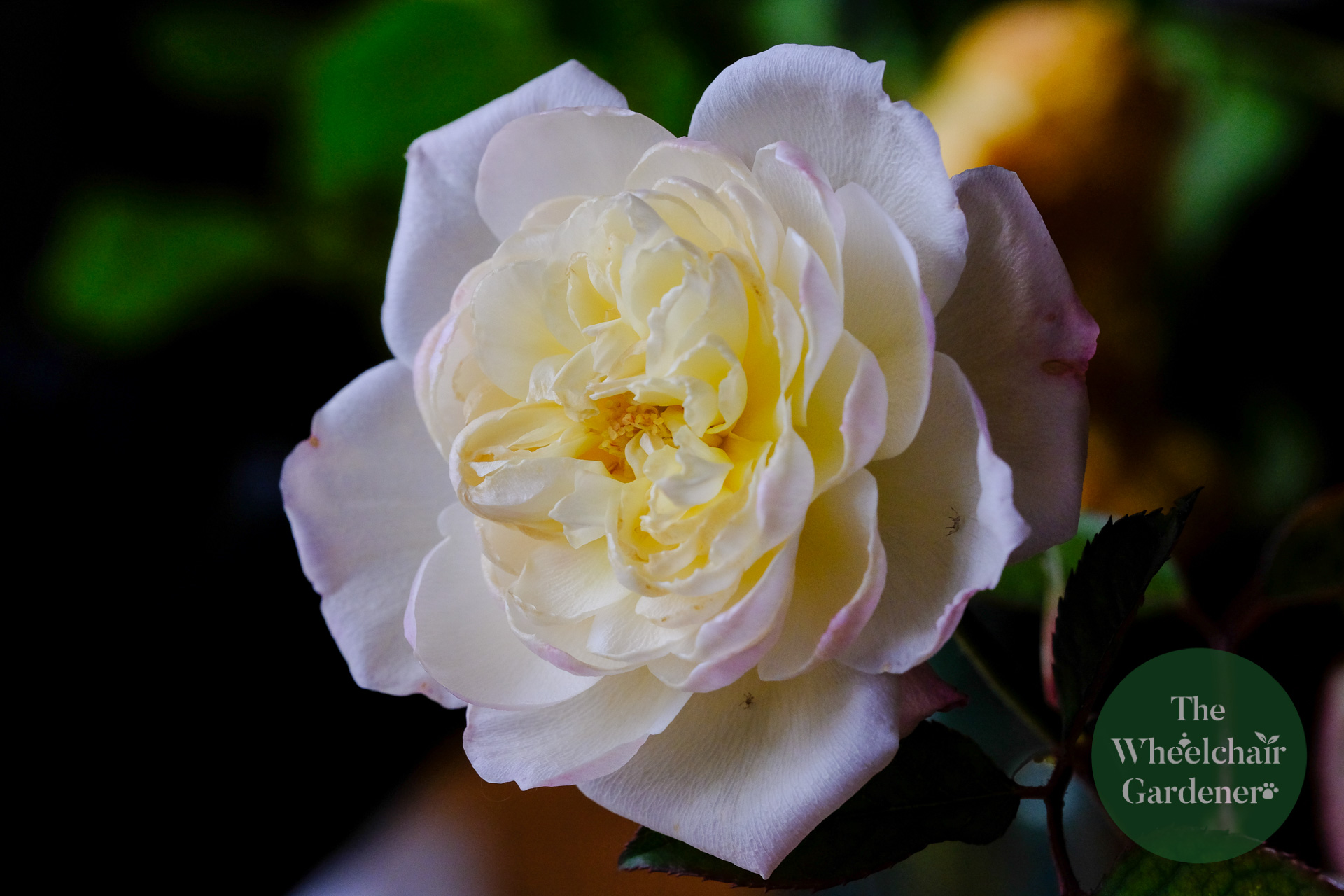
We are now in the week after Christmas, so why on earth are some of the rose cultivars still bearing flowers, and new buds appearing? Are they trying to sneak in and steal the Christmas spotlight from the hellebore? Are the Rose family muscling in on the Buttercup family?
We are living in times of unprecedented change that have been caused through planet-wide human activities. The fact that the climate is changing at a rate which has not been seen for millennia creates huge uncertainty for future generations of humanity and all other forms of life. How can we plan for it and live through it into a secure future and will the plants and other life in our gardens adapt and survive?
In the garden these changes are visible on an almost daily basis. We are now in the middle of December and I have a rose shrub that is still in bloom and producing new buds. Spring bulbs which are meant to be coming out in the New Year have been showing for a few weeks now.
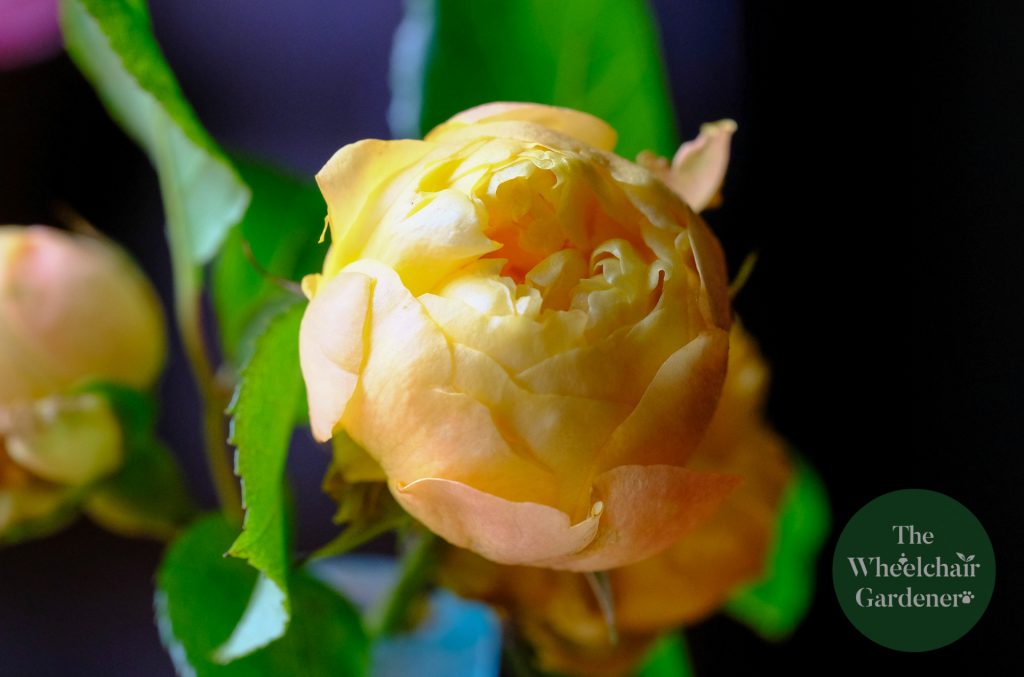
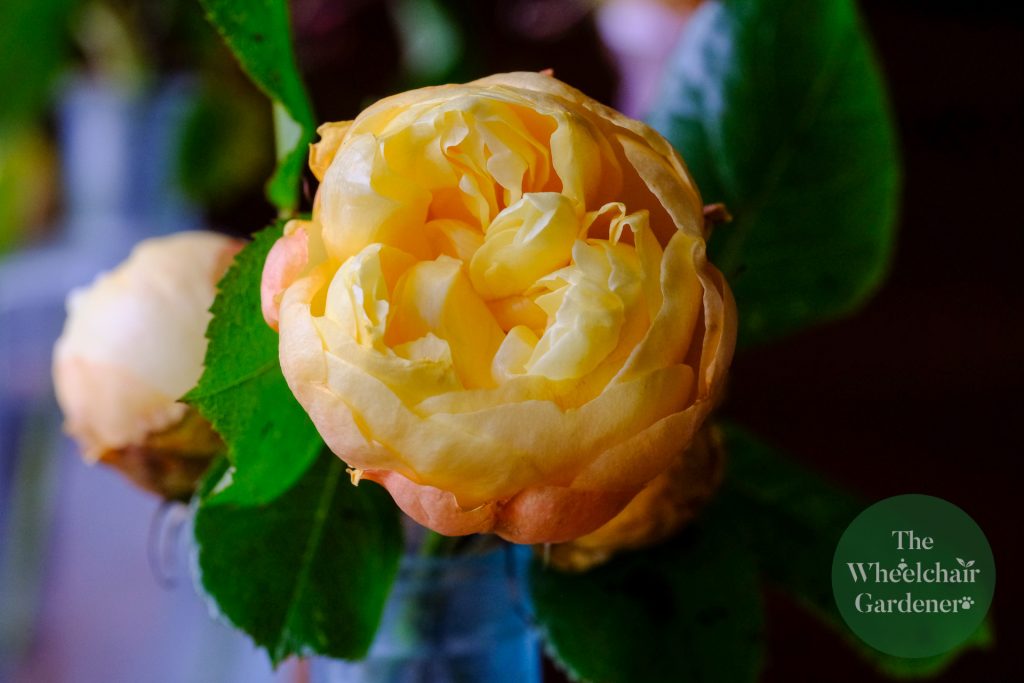
Phenology is the study of these periodic events in biological life cycles and how these are influenced by seasonal and inter-annual variations in climate, as well as habitat factors Examples include the date of emergence of leaves and flowers; the first flight of butterflies; the first appearance of migratory birds; the date of leaf colouring and fall in deciduous trees; the dates of egg-laying of birds; the first frog spawn in the garden pond.
Temperature changes which appear insignificant to us have a huge impact on other forms of life such as plants, birds, insects and other micro fauna and flora in the garden. Half a degree increase in temperature can be the difference between dormancy and springing into life, the difference between hibernation and activity.
As there are unlikely to be any two gardens that are identical it is impossible to predict exactly how our gardens will react to all the changes. The horticultural industry will no doubt cultivate and provide plants that have been grown to cope with changing conditions but I am going to leave it up to the garden itself to follow its own course and watch it as it evolves with as little intervention as possible and see what lessons can be learned. Every garden will have its own stories to tell.
Maybe the hellebores and the roses will end up sharing the show together. Since the first Rosacea appeared around 120 million years ago and Rananculaceae even earlier it should surely be possible for them to continue on together, with or without us, tears or no tears.