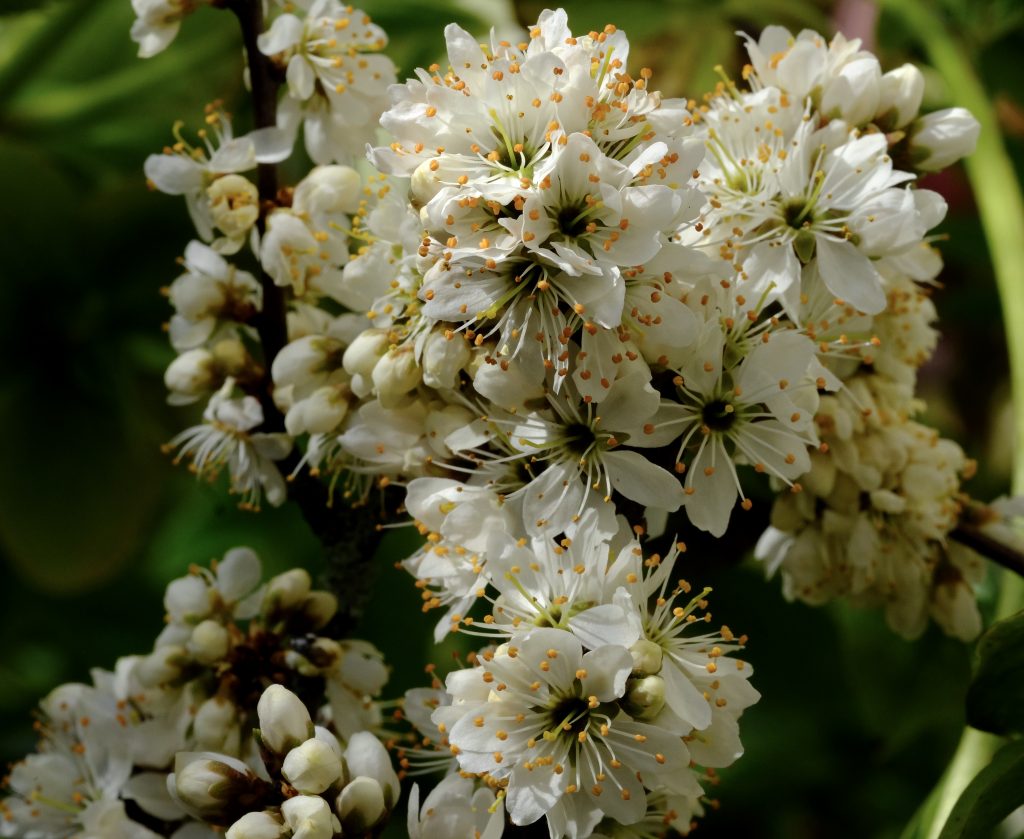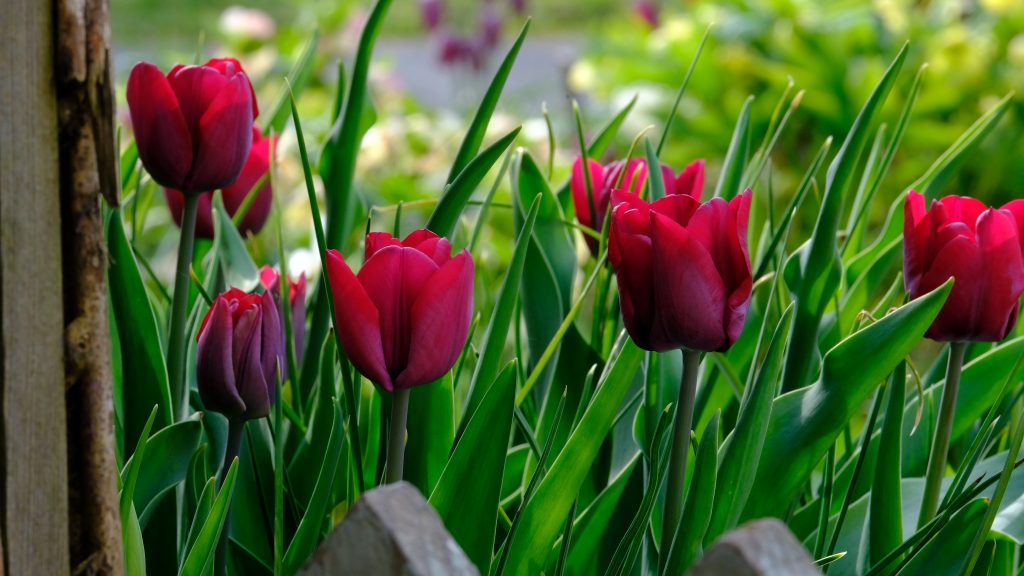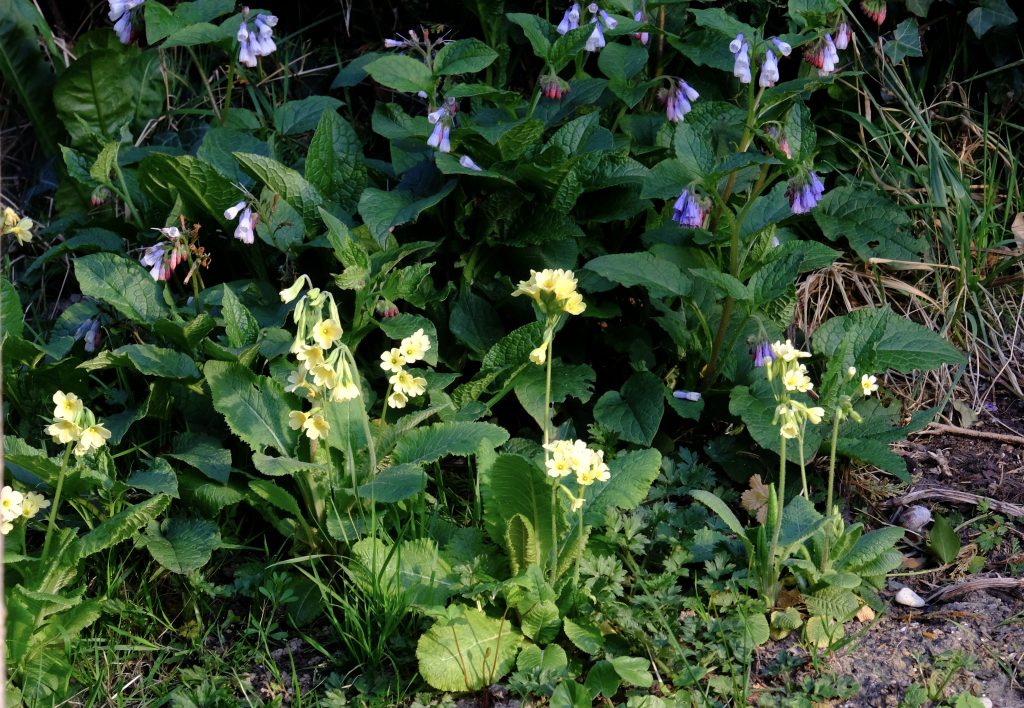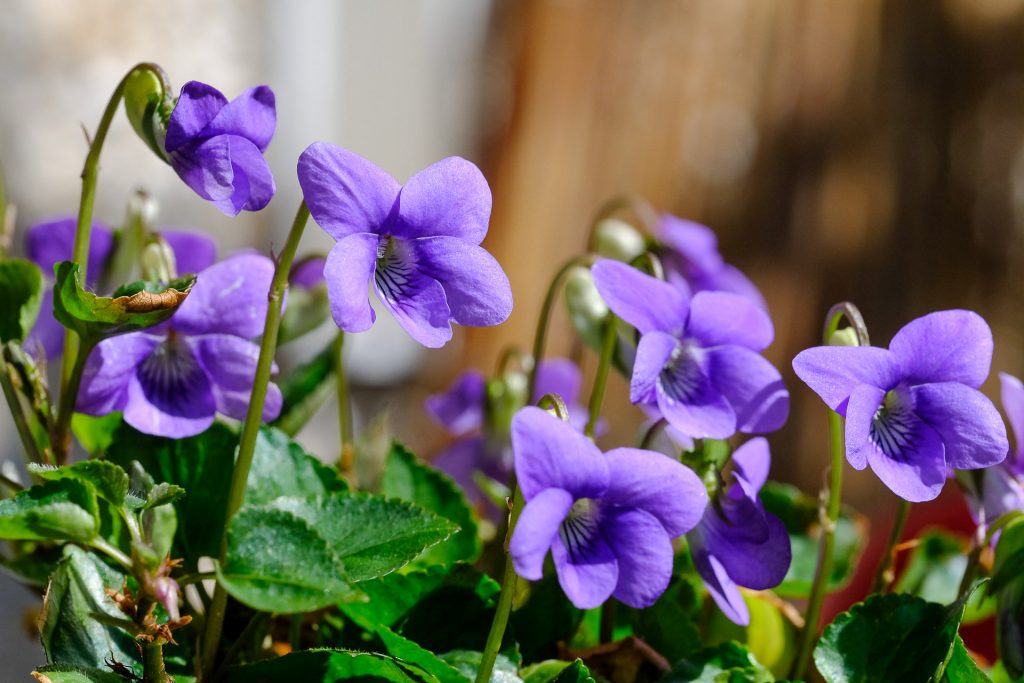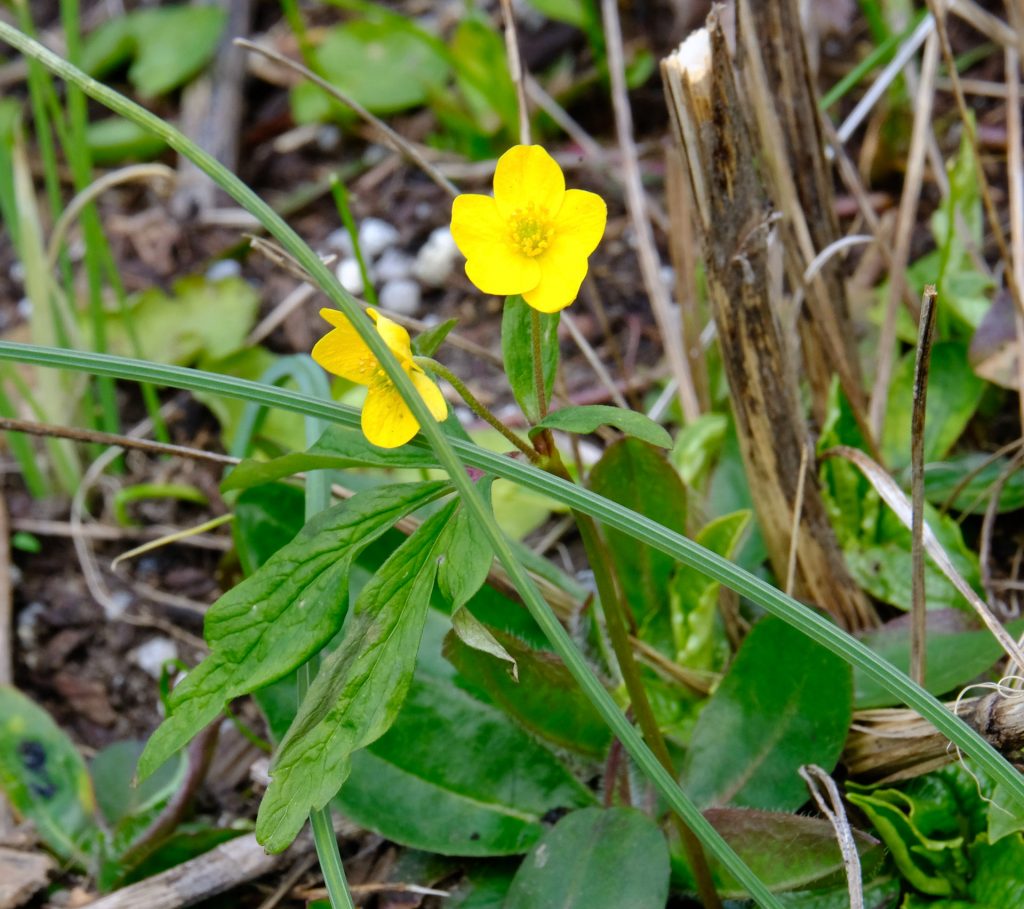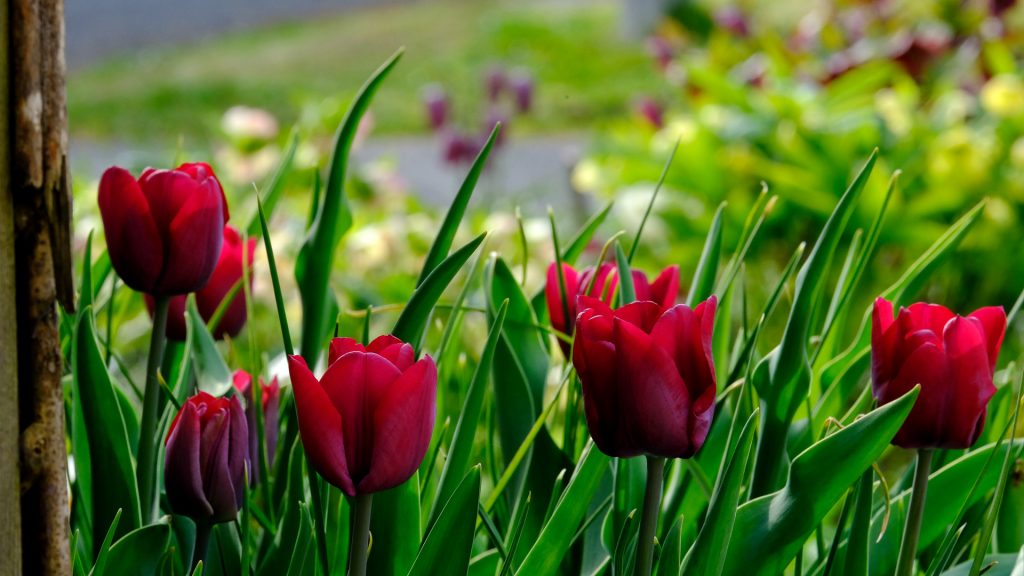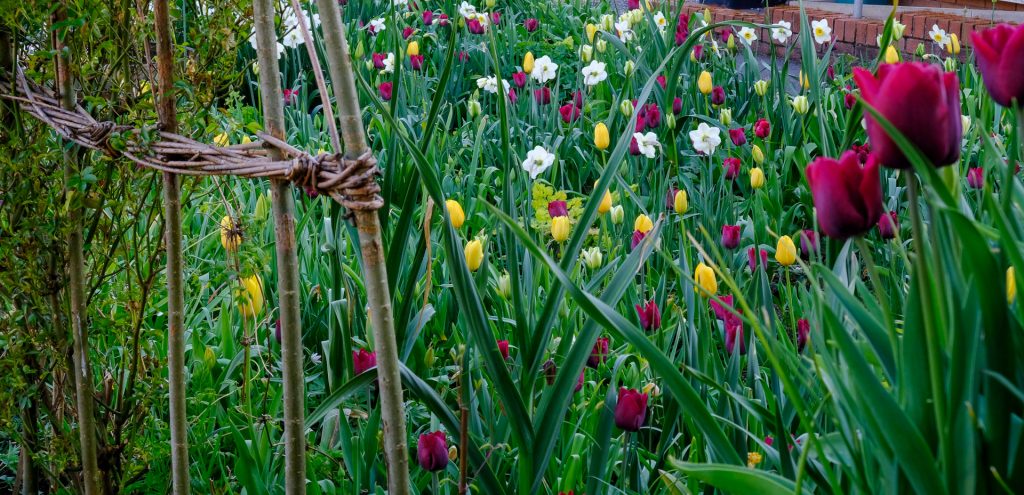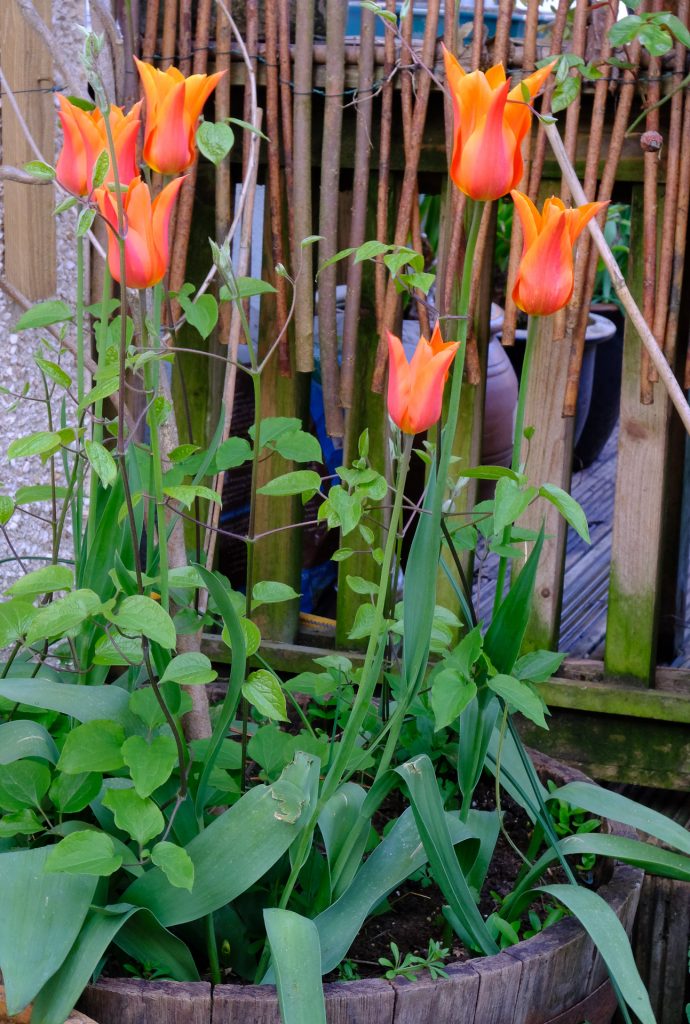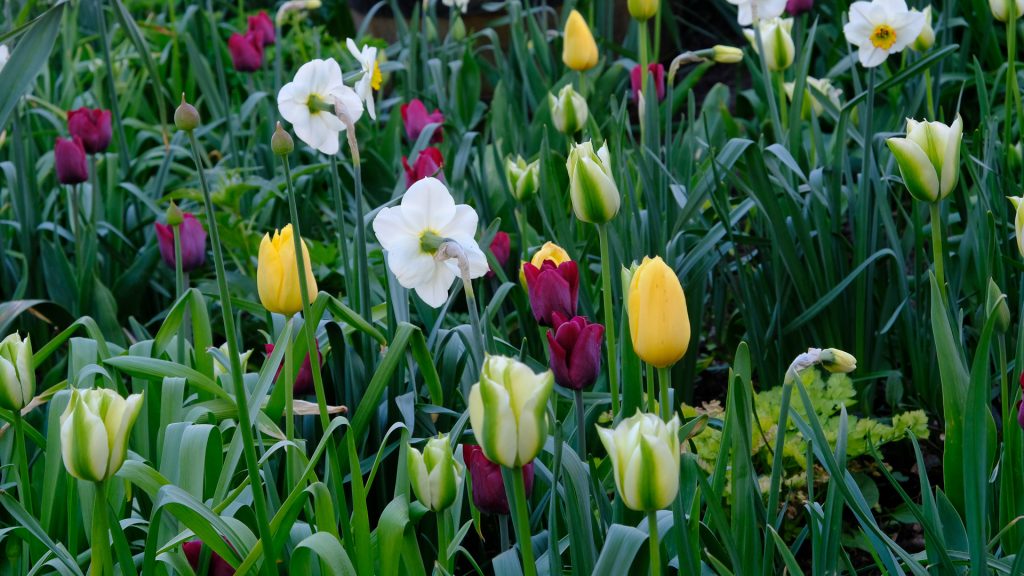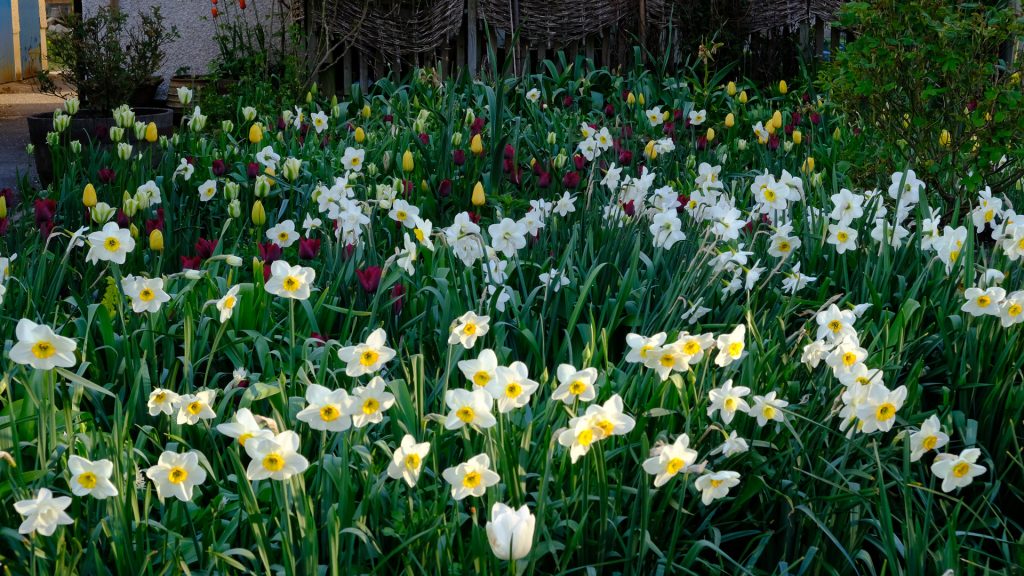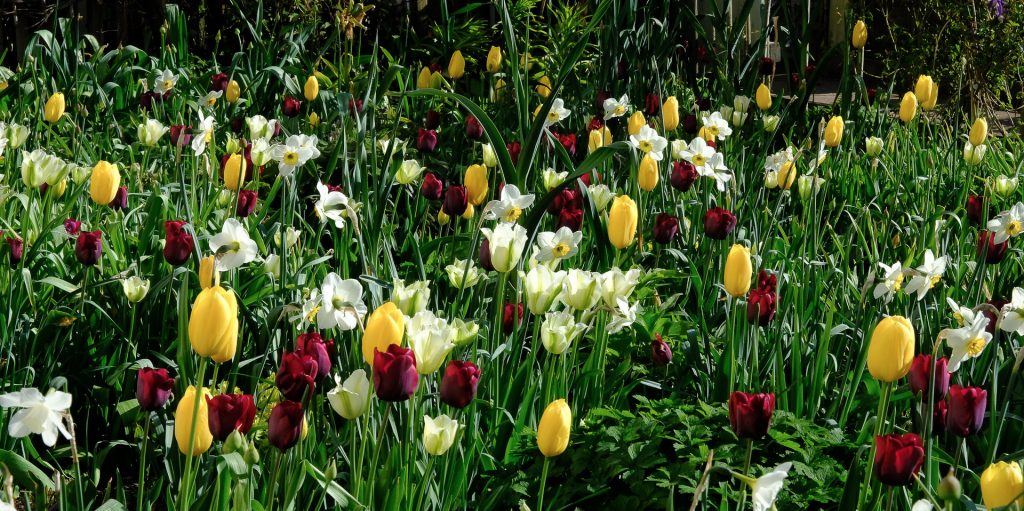
So far this April has been 3.1C above the average which is a pretty staggering amount. The plant growth in the garden reflects this after an exceptionally mild and wet winter and spring has leapt into full action oblivious to to the media channels full of the latest news on Covid-19. The miniscule virus which is 80 billionths of a metre in diameter is playing havoc with human populations in every country but offers no direct threat to the rest of the living world.
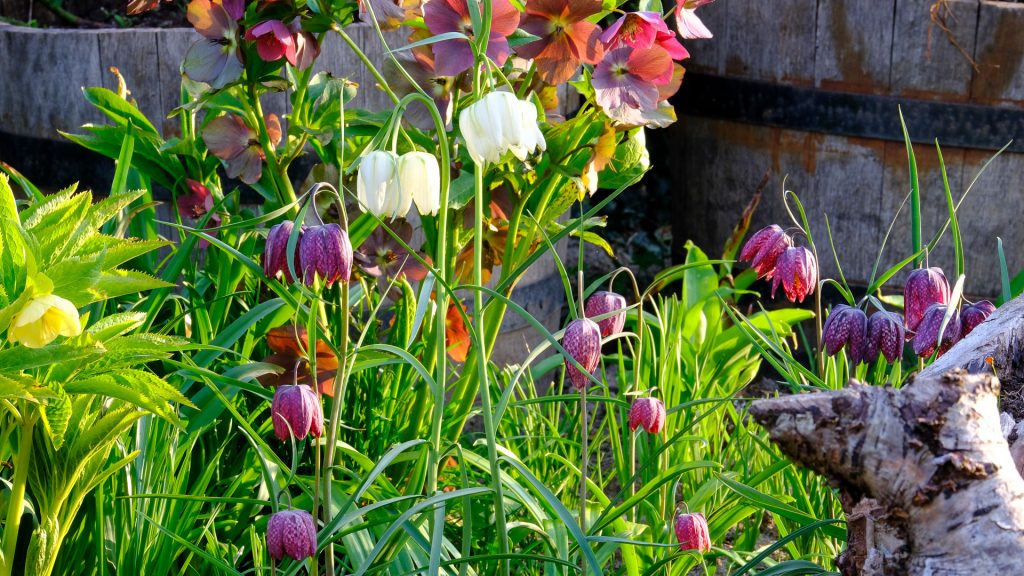
The long hours of April sunshine have seemed almost summer-like and it has been a welcome excuse to get outside in the garden, whether to sow vegetable seeds, transplant outside the first seedlings of salads or just sit outside reading a book and enjoying the spring flower display.
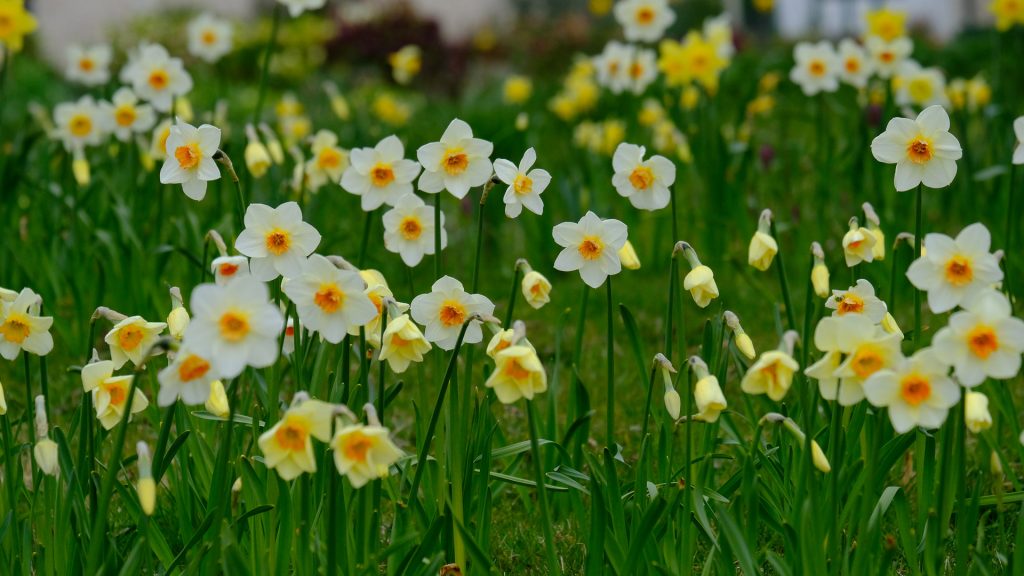
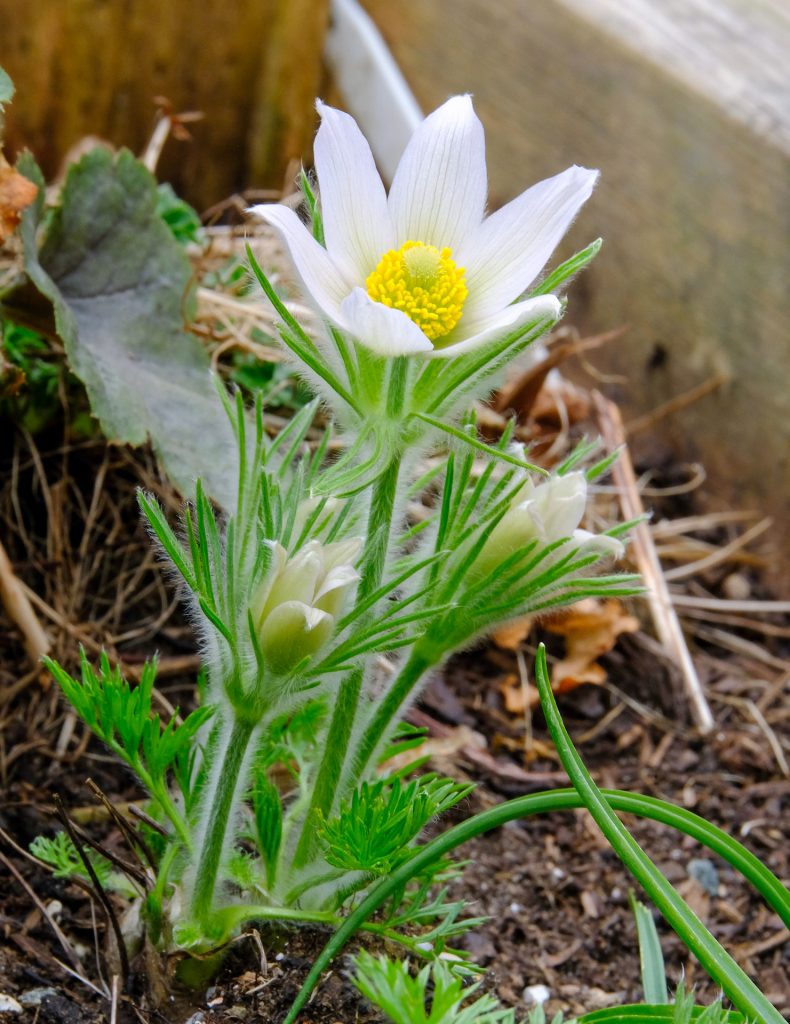
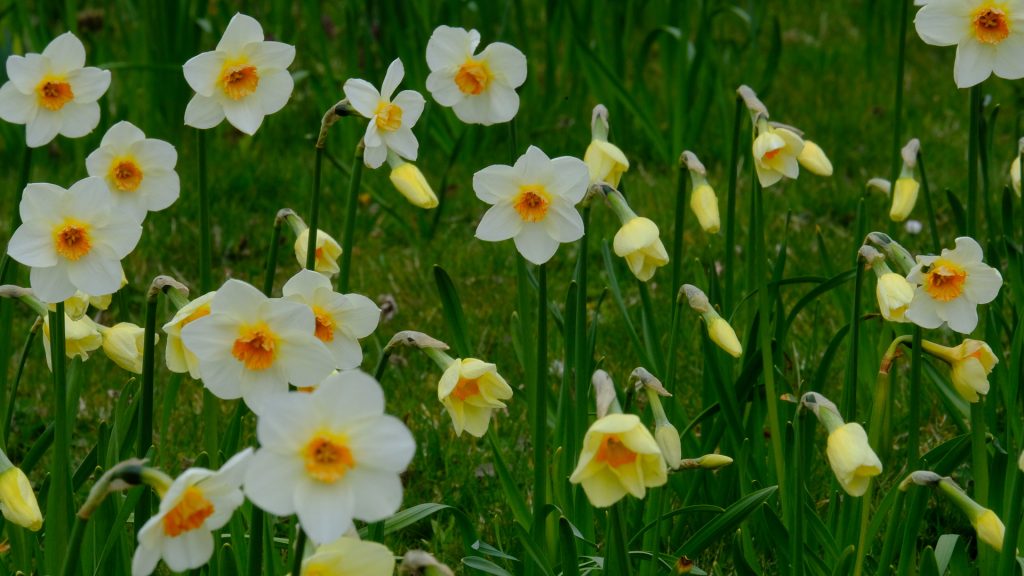
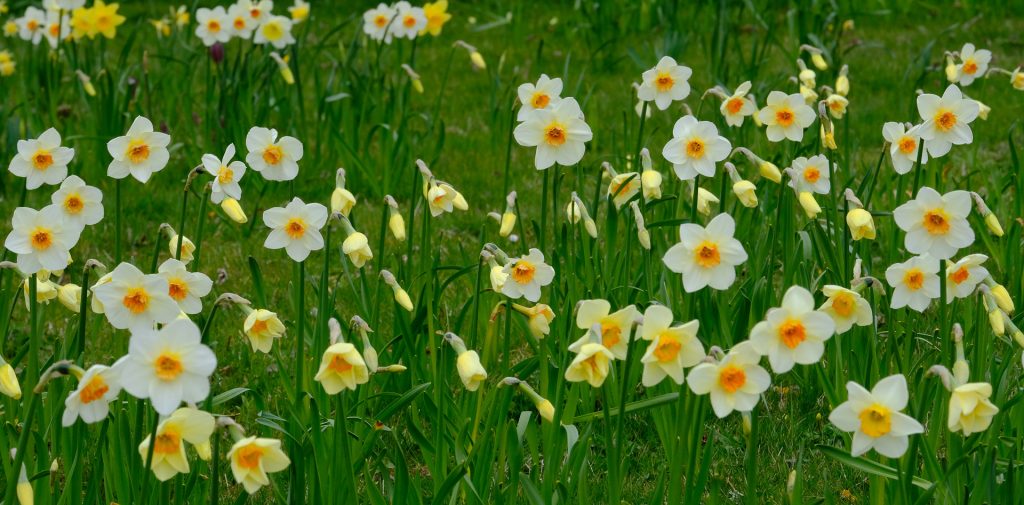
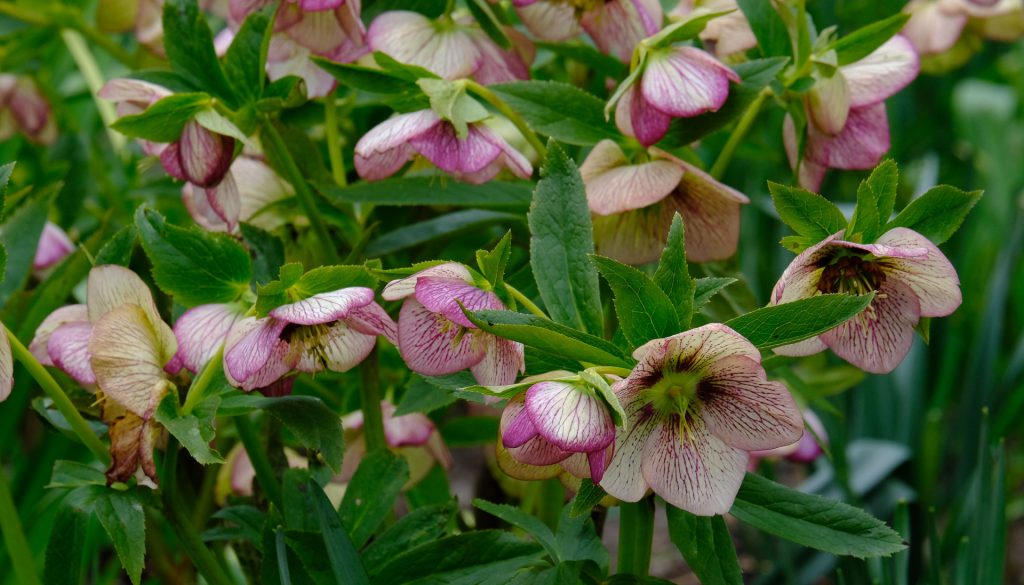
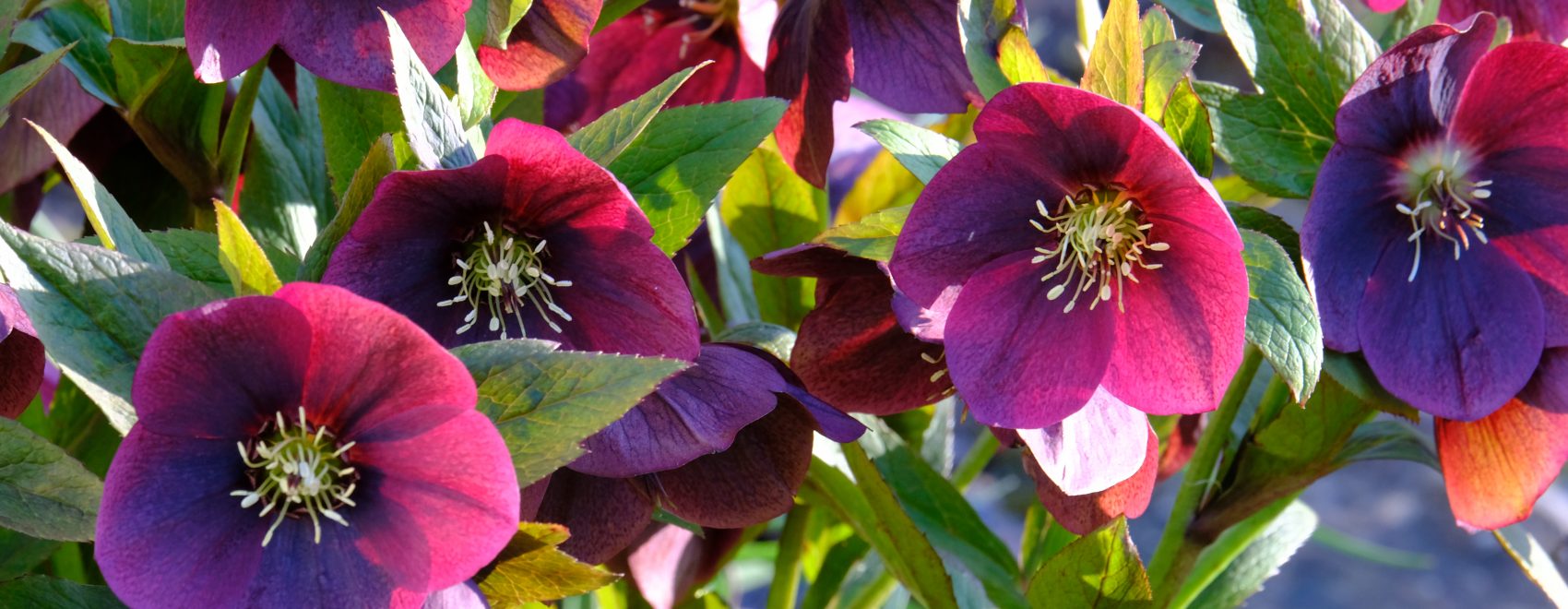
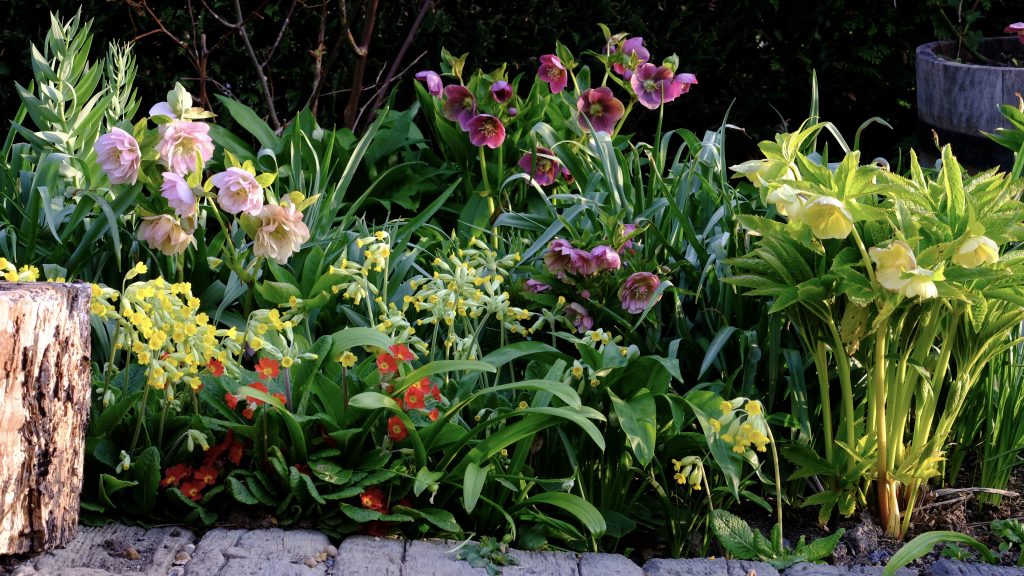
The hellebores have provided a continuous delightful display from February right through till the end of April. Some flowers are still remaining but the colours have faded to a pale shadow of a few weeks back. The other spring plants bursting onto the scene have just added more colour and life.
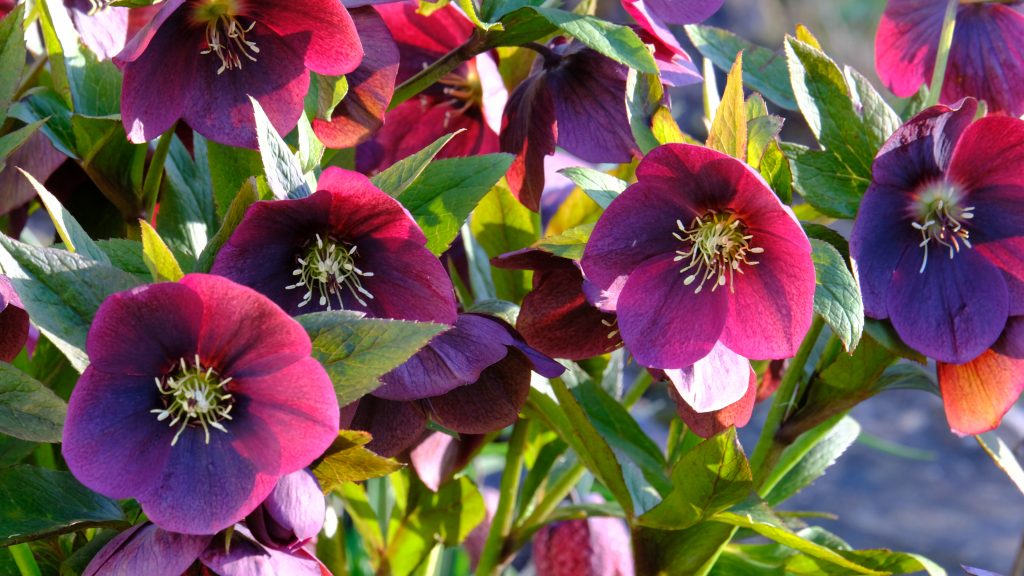
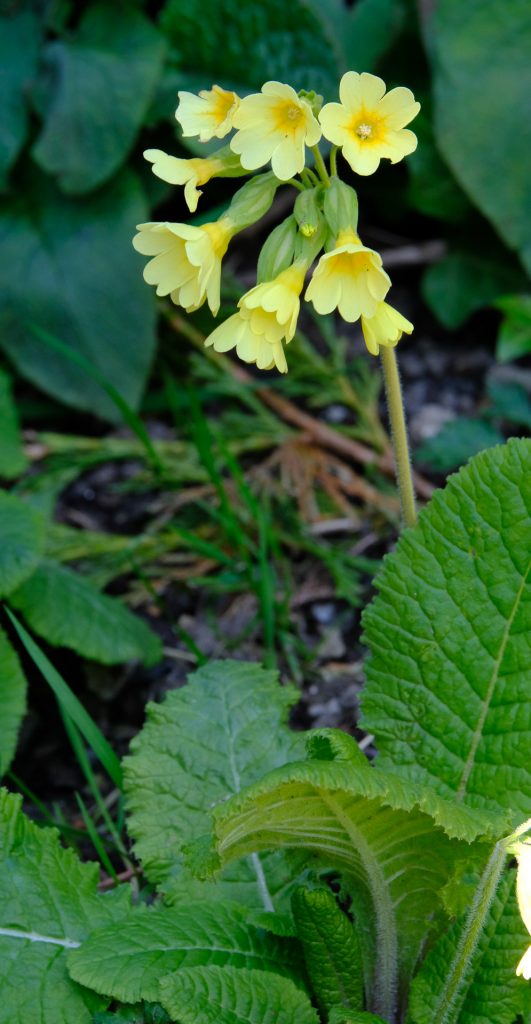
Four years ago there were no primroses but starting with just a few donated plants and the sowing of primrose seed the numbers have steadily increased. At the end of their flowering around about May I have dug up the plants and split them into lots of smaller ones and then grown them on to plant up again the autumn. The results this year have proved worth the time and effort.
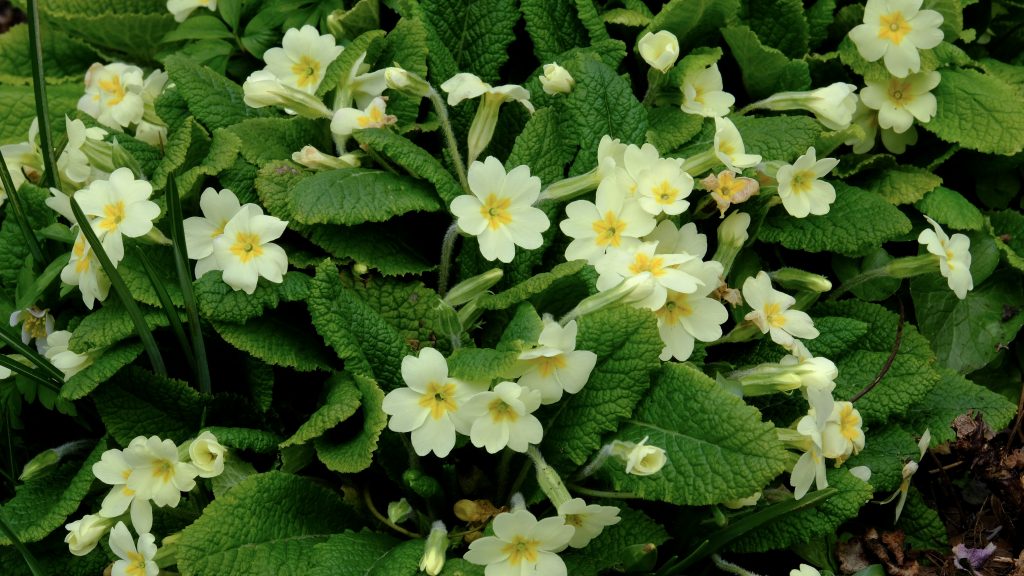
Many of the cultivars do not provide pollen to the early pollinating insects including the solitary bees which are only on the wing in the spring time to match up their life cycles with the spring blossom of apples, blackthorn and hawthorn. Mason and mining bees are the most numerous of these and they have to be a lot more hardy than the honeybee which stays inside the hive until the weather becomes warm enough. So the attempt has been to mix as many native plants together with cultivars to provide an aesthetic and visual display for the human eye as well as helping to attract wildlife.